Chemical peels and laser resurfacing are both designed to improve skin texture, tone, and clarity by removing damaged outer layers and stimulating renewal from within. But do they work the same? Do they produce the same results? How do you know which one is best for your skin?
Here’s a clear breakdown of how each treatment works, what it’s best for, and how to know which one is right for you.
How Chemical Peels Work
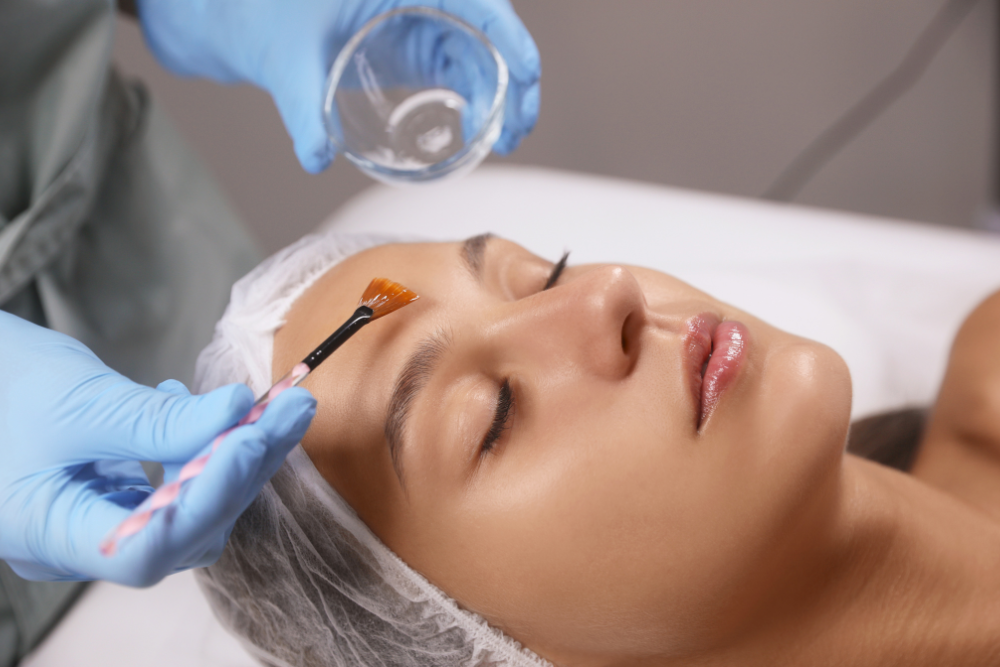
A chemical peel uses a carefully formulated solution applied to the skin that dissolves and exfoliates the damaged outer layers. As those layers shed over the following days, fresher, more even skin is revealed underneath. The depth of the peel, meaning how far into the skin it reaches, determines what it can address and how much downtime is involved.
Chemical peels are excellent for:
- Acne and active breakouts
- Post-acne hyperpigmentation and dark spots
- Melasma and uneven skin tone
- Fine lines and dull, rough texture
- Overall skin brightening and clarity
The peeling process typically begins two to three days after treatment and resolves within a week. During that time, skin may feel tight, dry, and flaky as the old layers shed. The result is noticeably smoother, clearer skin with improved tone.
At Key Wellness, we offer two medical-grade peel options: the VI Peel and PCA Chemical Peels. Both are formulated to deliver meaningful results with manageable downtime, and both can be tailored to your specific skin concerns.
How Laser Resurfacing Works
Laser resurfacing uses targeted light energy to remove damaged skin cells and stimulate collagen production in the deeper layers of the skin. Unlike a chemical peel, which works through a chemical reaction, laser resurfacing works by delivering precise energy to the skin that triggers a controlled healing response. This improves both the surface texture and the underlying structure of the skin over time.
Laser resurfacing is excellent for:
- Fine lines and early wrinkles
- Skin texture and rough or uneven surface
- Sun damage
- Overall skin resurfacing and radiance
- Patients who want to address skin quality at a deeper level
Results develop gradually as the skin heals and new collagen forms, with continued improvement over several weeks following treatment. A series of sessions is typically recommended for optimal results.
At Key Wellness, we offer CoolPeel laser resurfacing using the DEKA Helix system. CoolPeel is one of our top treatments for improving fine lines, uneven texture, sun damage, and acne scarring. It’s a fractional CO2 laser treatment that delivers the resurfacing benefits of a traditional CO2 laser with significantly less downtime. By targeting the superficial layers of the skin with short, precise pulses, it removes damaged skin and stimulates collagen without the extended recovery associated with older CO2 treatments.
Chemical Peel vs. Laser Resurfacing: Side by Side
| Chemical Peel | CoolPeel Laser Resurfacing |
How It Works | Chemical solution dissolves and exfoliates damaged outer skin layers | Fractional CO2 laser removes damaged skin and stimulates collagen from within |
Depth | Surface to mid-dermis depending on peel strength | Superficial to deeper layers with precision control |
Downtime | Minimal to moderate (3-7 days of peeling) | 3-7 days, mild sunburn sensation, some light flaking |
Best For | Acne, pigmentation, texture, fine lines, dull skin | Fine lines, uneven texture, sun damage, acne scarring, overall resurfacing |
Skin Tightening | Limited | Moderate through collagen stimulation |
Sessions | Series of 2-3 recommended | Series of 3 recommended |
Results | Visible within days, improve over weeks | Immediate radiance, continues developing over weeks |
Note: Individual results may vary. A consultation will help determine which treatment is the best fit for your skin and goals.
Which One Is Right for You?
Both treatments resurface the skin and produce real, visible results. The differences come down to your specific concerns, your skin type, your downtime tolerance, and what you’re trying to achieve.
Who Chemical Peels Are Best For:
- You’re dealing with acne, hyperpigmentation, or melasma
- You want to address uneven skin tone more than texture or laxity
- You prefer a treatment with no heat or laser energy
- You want results with a manageable and predictable downtime
Who Laser Resurfacing Is Best For:
- Your primary concerns are texture, fine lines, sun damage, or enlarged pores
- You want the collagen-stimulating benefits of laser resurfacing with minimal downtime
- You’re interested in a treatment that works at both the surface and deeper levels of the skin
- You’ve already done peels and want to take your results further
When to Schedule Your Peel or Laser Treatment
Both chemical peels and laser resurfacing treatments make the skin more sensitive to sun exposure during healing, which is worth considering when planning your appointments. These treatments are both well-suited for fall and winter, when sun exposure is naturally lower and protecting the skin during recovery is easier.
Chemical Peels and Laser Resurfacing at Key Wellness & Aesthetics
At Key Wellness & Aesthetics in Crosslake, MN, we offer both medical-grade chemical peels and CoolPeel laser resurfacing with the DEKA Helix system. At your consultation, we’ll assess your skin, talk through your goals, and recommend the treatment, or combination of treatments, that makes the most sense for you. Learn more about our chemical peels and Helix CoolPeel laser resurfacing, or call us at (218) 692-5397.
Frequently Asked Questions
What is the difference between a chemical peel and laser resurfacing?
A chemical peel uses an acid-based solution to exfoliate and remove the outer layers of the skin, revealing fresher skin underneath. Laser resurfacing uses targeted light energy to remove damaged skin cells and stimulate collagen production at a deeper level. Both improve skin texture and tone, but they work through different mechanisms and tend to excel at different concerns. Peels are often better suited for pigmentation and acne, while laser resurfacing is particularly effective for fine lines, texture, and sun damage.
Which is better for acne scars: a chemical peel or laser?
Both can be effective for acne scarring, but the right choice depends on the type and depth of scarring. Chemical peels are well suited for post-inflammatory hyperpigmentation and surface-level texture irregularities. Laser resurfacing, particularly CoolPeel or deeper Helix treatments, can address more significant textural scarring by stimulating collagen remodeling in the dermis. For many patients, a combined approach over time produces the most comprehensive improvement.
How much downtime does a chemical peel require?
This varies depending on the peel depth. A VI Peel or PCA peel typically involves three to seven days of visible peeling and flaking, with most people able to continue their normal routine throughout that time. The skin may look flaky or patchy during the peeling process, but the healing is straightforward and manageable.
How much downtime does CoolPeel laser resurfacing require?
CoolPeel is designed to minimize downtime compared to traditional CO2 laser treatments. Recovery typically takes three to seven days, and skin may look and feel similar to a mild sunburn as it heals. Some light flaking is normal as the outer layer resurfaces.
Can I do both a chemical peel and CoolPeel laser resurfacing?
Yes, and for many patients a combination approach makes sense over the course of a treatment plan. They address complementary concerns and work through different mechanisms, which means they can be more effective together than either one alone. Your provider will help you determine the right sequence and timing based on your skin and goals.
Which treatment is right for me?
That depends on your specific concerns, skin type, downtime tolerance, and goals. A consultation is the most direct way to get a clear answer. Your provider will assess your skin, ask about what you want to address, and make a recommendation based on what they actually see, not a one-size-fits-all approach.